Lights, Camera, Music! Exploring the Power of Lighting in Movies
Category : | Sub Category : Posted on 2024-11-05 22:25:23
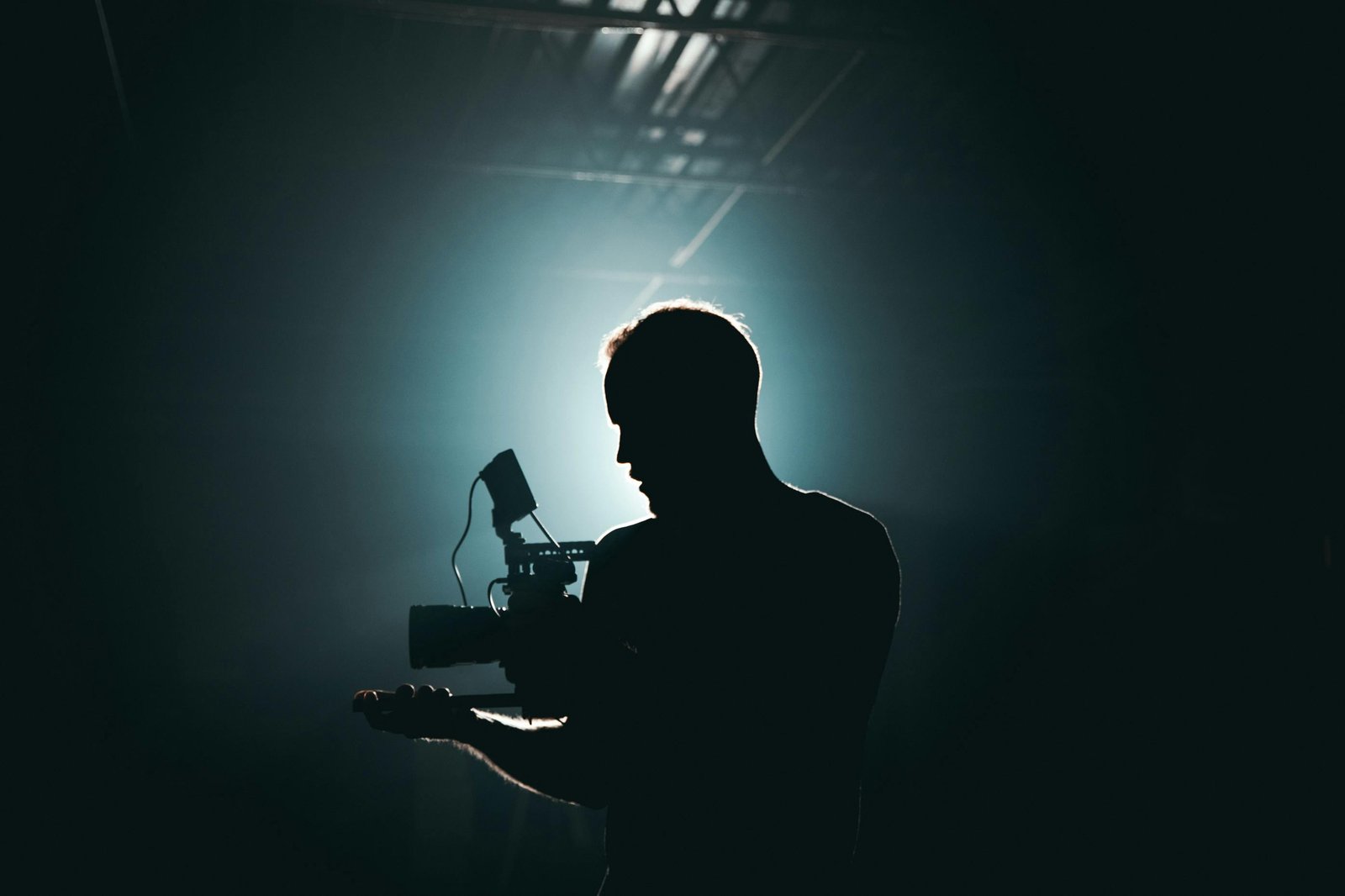
When it comes to movies, there are many elements that work together to create a captivating experience for audiences. One often overlooked aspect is the role of lighting in setting the tone and enhancing the emotions portrayed on screen. In this blog post, we will explore the significance of music lighting in movies and how it contributes to the overall cinematic experience. Music lighting in movies refers to the use of lighting techniques to complement the mood and atmosphere of a scene, often in synchronization with the musical score. Lighting can evoke specific emotions, highlight key elements in a shot, and create visual interest for viewers. Just like music, lighting has the power to intensify dramatic moments, build tension, or create a sense of intimacy between characters. One of the most iconic examples of music lighting in movies can be seen in film noir classics such as "Double Indemnity" and "Sunset Boulevard." These films used stark contrasts between light and shadow to create a sense of mystery and suspense, enhancing the psychological depth of the characters and the narrative. The use of low-key lighting in film noir not only added visual flair but also symbolized the moral ambiguity and dark themes prevalent in the genre. In more contemporary cinema, directors like Christopher Nolan and Denis Villeneuve have mastered the art of music lighting to elevate the visual storytelling in their films. In Nolan's "The Dark Knight," the interplay of light and shadow enhances the gritty, realistic tone of Gotham City, while in Villeneuve's "Blade Runner 2049," the neon-soaked visuals create a futuristic, dystopian world that feels both immersive and otherworldly. Moreover, music lighting is often used to convey character emotions and internal struggles without relying on dialogue. For instance, in the coming-of-age drama "Moonlight," the soft, naturalistic lighting mirrors the protagonist's journey of self-discovery and acceptance, creating a poignant and deeply moving experience for audiences. In conclusion, music lighting plays a pivotal role in movies by enhancing the mood, atmosphere, and visual aesthetics of a film. Whether used to create tension, evoke emotions, or reveal character depth, lighting is a powerful tool that can elevate storytelling to new heights. Next time you watch a movie, pay close attention to how lighting is used to enhance the cinematic experience and immerse yourself in the captivating world of music lighting in movies.
Leave a Comment:
SEARCH
Recent News
- Top 5 Zurich Regional Movies You Must Watch
- Zurich, Switzerland, is a vibrant city known for its stunning architecture, picturesque landscapes, and thriving cultural scene. In recent years, the city has also become a hub for film production, attracting filmmakers from around the world. Interestingly, a connection has emerged between Zurich and Paraguay through the medium of film.
- Zurich - A Hub for Hungarian Films
- Zurich, Switzerland is a beautiful city known for its stunning views, rich history, and vibrant culture. From the picturesque Old Town with its charming cobblestone streets to the crystal-clear waters of Lake Zurich, this city has a lot to offer both residents and visitors.
- Welcome to another movie roundup! Today, we are exploring some award-winning movies that have put Zurich, Switzerland on the cinematic map. From thrilling dramas to heartfelt narratives, these films have captivated audiences worldwide and earned critical acclaim. Join us as we delve into the summaries of these standout movies that have made a mark in the entertainment industry.
- YouTube has become a popular platform for content creators to share their passion and creativity with a global audience. One niche that has gained popularity in recent years is regional movies and their translation for wider reach. This trend has allowed viewers from different linguistic backgrounds to enjoy movies from various regions around the world.
- YouTube Content Creation and Translation: Paraguay Films
- Are you interested in learning about the fusion of YouTube content creation and the translation of Hungarian films? Stay tuned as we delve into how aspiring content creators can leverage Hungarian films to attract a broader audience by providing multilingual content.
READ MORE
11 months ago Category :

Top 5 Zurich Regional Movies You Must Watch
Read More →11 months ago Category :

Zurich, Switzerland, is a vibrant city known for its stunning architecture, picturesque landscapes, and thriving cultural scene. In recent years, the city has also become a hub for film production, attracting filmmakers from around the world. Interestingly, a connection has emerged between Zurich and Paraguay through the medium of film.
Read More →11 months ago Category :

Zurich - A Hub for Hungarian Films
Read More →11 months ago Category :
